


Recommended products
 most durable commercial flooring
 hardwood flooring prices
 pickleball court tennis court
 soft gymnastics mat
 wide plank maple wood flooring
 pvc sports floor




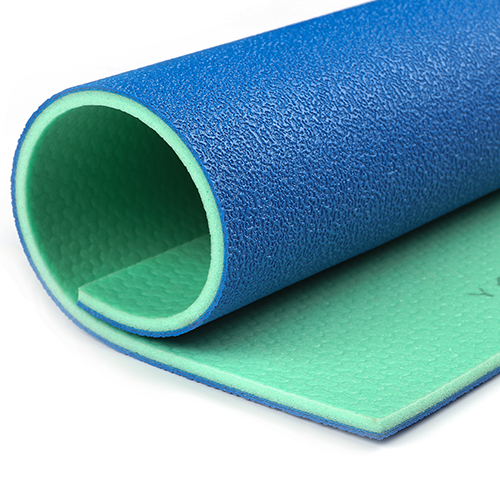
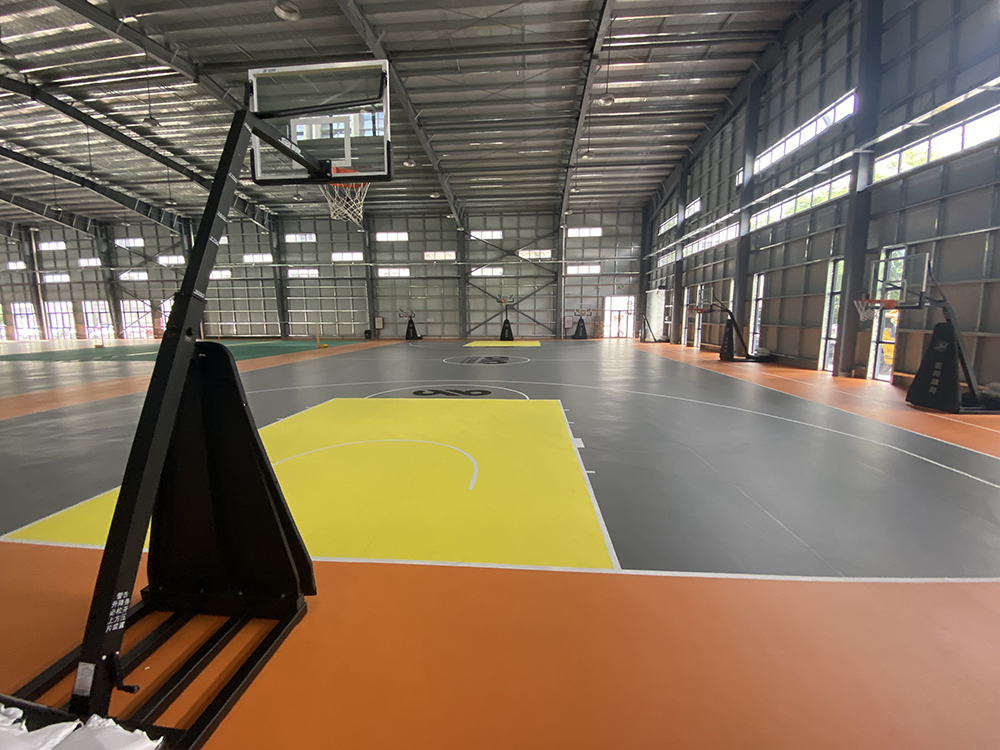
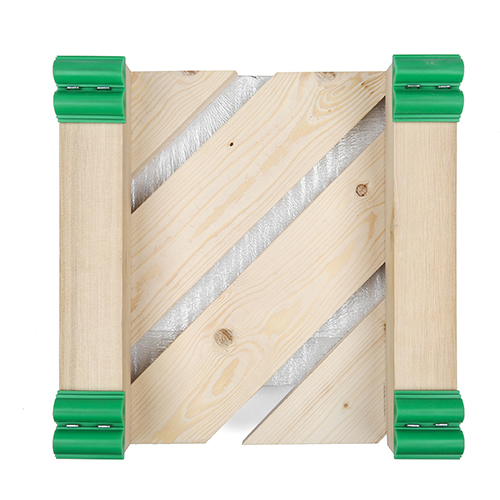


-

Affordable Gym Mats for Wholesale Buyers and Fitness Enthusiasts
The Benefits of Wholesale Gym Mats for Fitness Facilities In today's world, where physical fitness and health are increasingly prioritized, providing a safe and comfortable exercise environment is essential for any gym or fitness facility. One fundamental aspect of this environment is the flooring, which needs to be durable, supportive, and versatile. This is where wholesale gym mats come into pla -
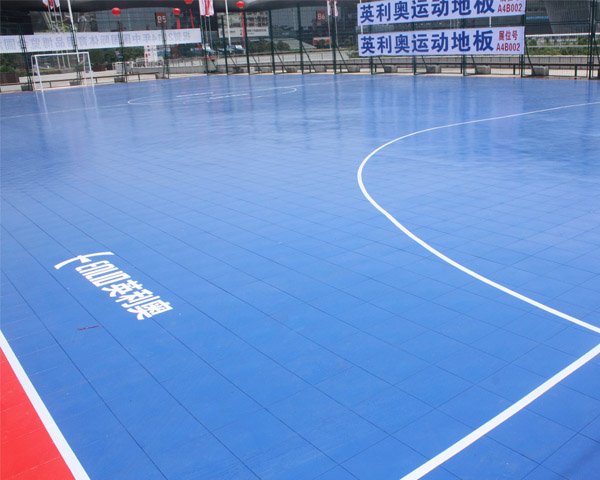
commercial wood look flooring
Embracing the Aesthetic of Commercial Wood Look Flooring In the world of interior design and architecture, trends continually shift to meet the evolving demands of style, practicality, and sustainability. One striking trend that has established a strong foothold in commercial spaces is wood look flooring. Combining the visual appeal of natural wood with the durability needed in high-traffic enviro -

25mm Gym Mats Thickness and Durability for Fitness Enthusiasts
The Versatile World of 25mm Gym Mats In the vast universe of fitness equipment, one unassuming yet indispensable item stands out the 25mm gym mat. These mats are not mere accessories; they are the silent heroes of workouts across the globe. Their 25mm thickness provides a perfect balance between comfort and support, making them adaptable for various exercise modalities. The versatility of these
Join Our Newsletter
We Strive To Provide Customers With Quality Products.Request Information,Sample & Quate,Contact Us !

about us

commercial kitchen flooring cost
Understanding Commercial Kitchen Flooring Costs When it comes to designing or renovating a commercial kitchen, one of the most crucial elements to consider is the flooring. The floor of a commercial kitchen must meet specific functional requirements, and it also affects the overall aesthetic of the space. However, one of the most pressing questions for many restaurant owners and kitchen managers is what are the costs associated with commercial kitchen flooring? This article will explore various factors affecting these costs, different types of flooring options, and their respective advantages and disadvantages. Factors Influencing Flooring Costs 1. Material Choice The type of flooring material chosen has a significant impact on cost. Different materials, such as vinyl, tile, epoxy, rubber, and concrete, vary in price. For instance, vinyl flooring is generally more affordable, while high-end options like polished concrete and high-performance epoxy can be more expensive. 2. Installation Floor installation costs can vary greatly depending on the complexity of the job. If the existing floor needs to be removed, or if the new flooring requires specialized installation techniques (like welding seams in vinyl), costs can increase. Hiring professional installers versus DIY can significantly affect the overall budget too. 3. Size of the Kitchen The overall size of the kitchen plays a crucial role in determining flooring costs. A larger kitchen will inherently require more materials and labor, leading to higher overall expenses. Therefore, it’s essential to take accurate measurements before getting estimates for flooring. 4. Durability and Maintenance While considering cost, it is important to think about the long-term value of flooring options. More durable materials may have a higher initial cost but can save money in the long run due to lower maintenance and replacement needs. Additionally, some materials may be easier to clean and maintain, making them more cost-effective over time. 5. Local Regulations and Codes Some areas have specific requirements for commercial kitchen flooring related to safety, sanitation, and fire resistance . Compliance with these codes can lead to increased costs, but it is essential to adhere to them for the safety and legality of the kitchen operation. 6. Aesthetics and Branding The visual appeal of the flooring can also be a consideration for many restaurant owners. Aesthetic flooring may come at a premium but can enhance the brand’s image and create a more inviting atmosphere for customers. commercial kitchen flooring cost Flooring Options and Their Costs 1. Vinyl Flooring A popular choice for commercial kitchens, vinyl is typically affordable, with costs ranging from $2 to $5 per square foot. It is water-resistant, easy to clean, and comes in various patterns and colors. The downside is that it may not be as durable as some other options and can be susceptible to scratches and dents. 2. Ceramic or Porcelain Tile These tiles are durable and resistant to water and heat, making them an excellent choice for a commercial kitchen. Costs generally range from $3 to $10 per square foot, depending on the quality and design. However, they can be slippery, so it is important to choose a textured variety or apply anti-slip treatments. 3. Epoxy Flooring Often used in industrial kitchens, epoxy coatings provide a seamless, durable surface that is easy to clean. Costs can range from $3 to $12 per square foot, depending on the complexity of the application, but their resistance to stains and chemicals makes them a long-term value. 4. Rubber Flooring This is another option that offers good slip resistance and comfort underfoot. Prices typically range from $4 to $10 per square foot. It's resilient and easy to maintain but can be limited in design choices. 5. Polished Concrete Although typically more expensive (around $4 to $15 per square foot), polished concrete is incredibly durable and low maintenance. It can be stained or colored to fit the aesthetic needs of the kitchen. Conclusion In conclusion, the costs associated with commercial kitchen flooring can vary widely based on several factors, including material choice, installation, and kitchen size. Understanding the specific needs of your kitchen and weighing the long-term benefits against initial costs will help you make an informed decision. Investing in quality flooring not only meets safety and sanitation standards but also contributes to the efficiency and overall success of your kitchen operations. Always consult with flooring experts to get accurate estimates and recommendations tailored to your specific situation.